

Shame and Guilt After Trauma: Why Survivors Blame Themselves and How to Heal
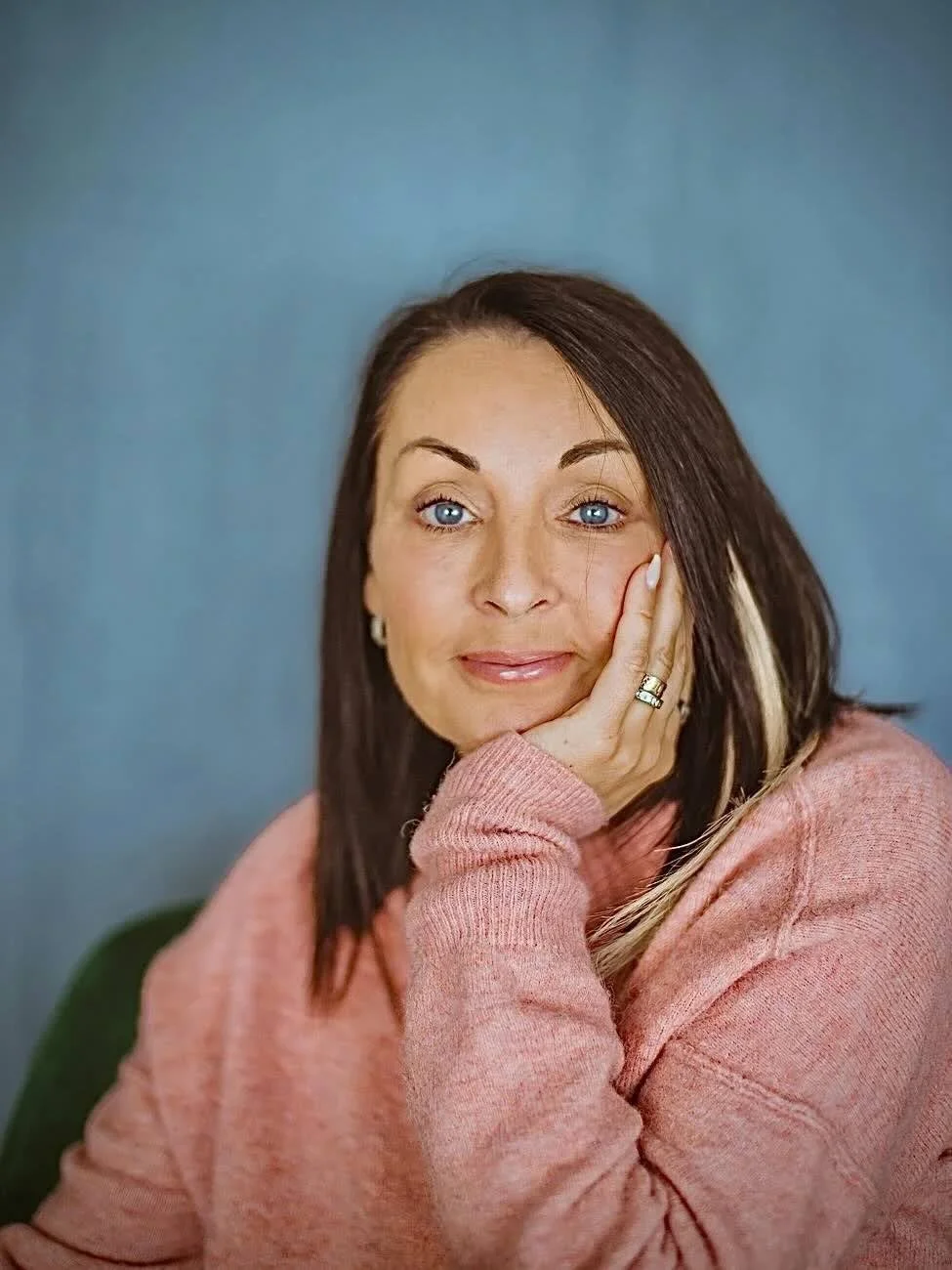
Andrea Bevan
About the Author
Andrea Bevan-Ducker is a trauma-informed coach, author of Sacrificial Girl, and founder of What Life Throws At You.
Drawing from both professional training and lived experience, I support individuals in healing from trauma, rebuilding self-worth, and moving from survival to a life of strength and growth.
My work focuses on self-awareness, acceptance, emotional healing, and helping others reconnect with themselves in a safe and supportive way.
For many people, the hardest part of surviving trauma is not always the event itself. It’s often what we come to believe about ourselves afterwards.
Shame and guilt are two powerful feelings that can keep survivors silent. Even long after the trauma and the danger are over, many people still hold onto beliefs like:
“It was my fault.”
“I should have known.”
“I should have done more.”
“There must be something wrong with me.”
If you’re a survivor who still struggles with self-blame, it doesn’t mean you’re weak, dramatic, or broken. It just means you’re still carrying shame.
The Difference Between Shame and Guilt
Guilt says:
“I did something wrong.”
Shame says:
“There is something wrong with me.”
Sometimes, guilt can help us grow.
But shame hurts our sense of who we are.
Over time, especially after childhood trauma, abuse, neglect, or coercion, guilt can turn into toxic shame. This toxic shame can become a deep belief about your identity.
It shifts from being about what you did to being about who you are.
Why Survivors Still Blame Themselves
Self-blame is often something we learn.
For a child, believing or being told:
“It was my fault.”
“I need to change”
can feel safer than believing:
“The adults were unsafe.”
“I had no control.”
“I was powerless.”
Blaming yourself can create a false sense of control. If you believe it was your fault, it can feel like you might be able to prevent it from happening again.
This is how trauma and self-blame can become connected.
Our bodies and minds often prefer feeling in control rather than feeling helpless, even if that sense of control isn’t real.
Shame Thrives in Silence
Shame is not loud; it hides, it whispers:
“Don’t tell anyone.”
“They wouldn’t understand.”
“You’ll be judged.”
“You’re disgusting.”
“You’re damaged.”
Shame makes people feel alone, and that loneliness can make shame even stronger.
That’s why shame is one of the most difficult emotions for survivors. It’s closely linked to depression and thoughts of suicide, and not because survivors are weak, but because shame makes them feel unworthy, broken and beyond healing.
Staying silent keeps shame alive.
Speaking up can weaken shame.
How Shame Shows Up in Adult Life
Unresolved shame often disguises itself as:
Low self-worth
Chronic self-doubt
Over-apologising
People-pleasing
Staying in unhealthy relationships
Avoiding visibility
Fear of success
Self-sabotage
Many survivors believe they “lack confidence.”
But often, shame is what’s really underneath.
Shame slowly wears away at self-worth.
Trauma, Shame and Self-Worth
If shame says:
“There is something wrong with me.”
Self-worth says:
“I have value regardless of what happened.”
Shame attacks identity.
Self-worth rebuilds it.
That’s why rebuilding self-worth isn’t just about surface changes. It’s about working on your sense of identity.
It means:
Challenging core beliefs
Understanding the inner critic
Recognising the self-esteem maintenance cycle
Practising self-compassion
Relearning safety in your body
It’s hard to build lasting confidence if shame is still shaping how you see yourself.
Healing Shame Gently
Healing from shame isn’t about forcing yourself to be positive or pretending the past didn’t hurt.
It begins with:
1. Naming It
Instead of:
“I am broken.”
Try:
“I am carrying shame.”
Making that distinction is important.
2. Returning Responsibility
Ask:
Was I a child?
Was I manipulated?
Was I coerced?
Was I surviving?
Being clear about what happened can weaken shame.
3. Practising Compassion Instead of Punishment
Shame often grows stronger when we’re harsh with ourselves.
Healing, on the other hand, happens when we treat ourselves gently.
You can say:
“I did the best I could with what I knew.”
“I survived.”
“I am allowed to grow.”
4. Reclaiming Your Voice
Shame gets stronger when we keep it secret.
Healing happens when we can express ourselves safely.
That might mean:
Journalling
Speaking to one trusted person
Find a community on social media
Writing your story privately
Or maybe, when you feel ready, sharing your story more publicly.
Journal Prompts for Releasing Shame
What shame have I been carrying that was never mine?
Who taught me to feel this way?
What would I say to a child in my position?
What part of me needs compassion right now?
What would change if I believed I was not broken?
You Are Not the Shame You Carry
Shame is something we learn.
That means it can also be unlearned.
You are not what happened to you.
You are not the silence you survived in.
You are not to blame; you were taught to carry this shame.
Healing is possible.
And it starts with recognising that shame is not who you are.
If This Resonates
If any of this resonates, you don’t need to rush or commit to anything overwhelming.
Healing is not about doing everything at once. It’s about taking steady, manageable steps.
Get a free Self-Worth Guide here
If you would like structured guidance, my self-paced workshop:
From Self-Doubt to Self-Worth
explores:
The roots of low self-worth
The self-esteem maintenance cycle
Challenging negative self-evaluations
Rewriting core beliefs
Practising self-acceptance daily
You can explore the full course here:
If you’d like deeper context, you may find my Support pages helpful, where I explore trauma patterns, survival responses, and long-term healing in more detail. Amongst a few are: Childhood Abuse Support Stillbirth & Child Loss Narcissistic, Emotional & Mental Abuse
If you prefer something more reflective and structured, you can explore my Foundations for Inner Healing Workbook & Guided Journal, which covers Self-Compassion, Awareness, Acceptance, and Change. Written from lived experience and shaped by trauma-informed principles. Available in Digital or Physical Copies - See Workbooks and Journals