

Stillbirth & Grief: Healing After the Loss of a Baby
My Story of Loss
If you are here because you have lost a baby, I am truly sorry. The pain of stillbirth is beyond words.
Losing a baby to stillbirth is one of the hardest things a parent can go through. The grief can feel endless and overwhelming, changing your life forever. I’m sharing my story not for sympathy, but to help others feel less alone and maybe find some comfort or understanding here.
Grief can feel overwhelming, but with support, healing is possible. I want to share my story to offer compassion and understanding to parents who are grieving.
My Own Experience
In April, over the Easter Bank Holiday weekend, I gave birth at home to my stillborn baby. For months, I had daily bleeding during my pregnancy and went to the hospital many times, but doctors kept telling me everything was fine. Even when I was hospitalised with infections and stuck in bed from complications, the staff said the baby and I were healthy.
I spent about a week in the hospital with an infection and bleeding. They gave me different antibiotics to lower my temperature and treat the infection. I felt weak and faint. With Easter coming up, the hospital was discharging people for the holiday. I was told everything was fine and I would go home on Thursday.
On Good Friday, I woke up without bleeding for the first time in months. It felt like things were getting better. But later that morning, after severe pain, I delivered my baby at home. In the days that followed, the hospital gave me no answers and only silence.
My husband, our three children, and I drove 45 minutes back to the hospital that had discharged me the day before. The hospital promised an autopsy and answers, but instead, we waited for months with no news. The chaplain called every week, confused by the delays, saying, “I’ve never seen anything like this.”
We could not bury our child until July, three months later. The hospital lost reports, would not share the autopsy results, and did not tell us our baby’s gender. I hadn’t looked when we wrapped the baby, so I will never have that chance again.
Years later, my daughter—who was just one at the time—was diagnosed with a rare and serious bleeding disorder that took four years to find. I believe the missing report could have changed her diagnosis and care.
In the months after losing my baby, I grieved in silence. Sometimes I broke down in tears, unable to explain the sudden waves of sadness. There were no words, only heartbreak.
I still wonder if I did enough. Could I have pushed harder to make the doctors or staff listen? Should I have rested more? These questions have no answers, only guilt that I didn’t protect my baby.
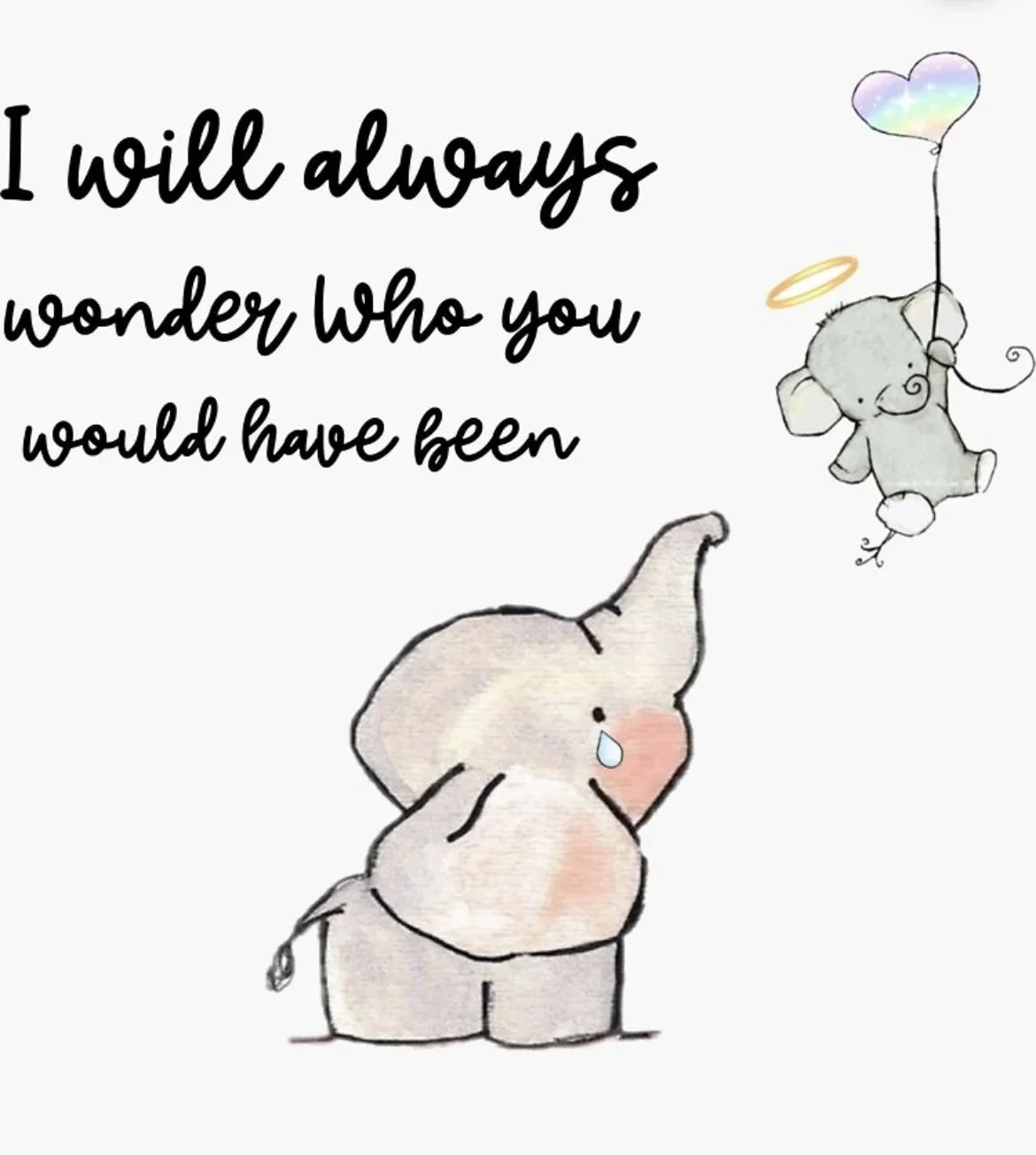
Even now, I wonder who our baby would have become. There is always a space in our family that feels incomplete. We miss a quiet presence, a name we never learned, and a love we will never forget.
Why I Share This
People don’t talk about stillbirth enough. Too often, parents are left to grieve without closure, support, or recognition for how profound their loss is. Family and friends don’t talk about a person they never knew.
I share my story to show the pain of stillbirth and to offer different ways it can be managed.
If you are facing something similar, please remember that you are not alone. Your grief is real, and your story matters.
You deserve support and understanding. You can start your healing by exploring my free self-help guides, workshops, journals, and courses. Take this step for yourself today. Your story matters.
Who This Page Is For
This page is for:
Parents who have experienced a stillbirth
Mothers grieving pregnancy loss in the second or third trimester
Fathers and partners are struggling with silent grief.
Families navigating infant loss
Parents seeking support after hospital trauma or medical negligence
Anyone living with long-term grief after the loss of a baby
Important Note
This page is written from lived experience and informed by trauma-aware coaching training. It is designed to offer reflection, practical insight, and supportive guidance.
It is not medical, legal, or therapeutic advice and should not replace support from a qualified healthcare professional, therapist, or specialist.
If you are in immediate crisis, experiencing overwhelming distress, or feel unsafe, please contact a qualified mental health professional or emergency service. You can find details in the Professional & Crisis Support section opposite.
This content offers lived insight and trauma-informed perspective, but it is not a substitute for personalised clinical care.
Related Reading: Grief, Trauma & Emotional Recovery
Grief after stillbirth can affect your nervous system, your relationships, and your sense of identity. If you would like to explore emotional healing in more depth, you may find these articles helpful:
Read Blog Articles Read Emotional Healing and Reconnecting with Yourself
Gentle Tools for Reflection & Processing Grief
Some parents find journalling, structured reflection, or guided prompts helpful in processing complex emotions such as guilt, anger, fear, and longing.
If you feel ready, you can explore: Books & Guided Journals, Available in digital and physical formats.
Structured, Module-Based Support
If your loss has affected your confidence, sense of safety, or identity, you may benefit from deeper, structured support. My trauma-informed courses focus on rebuilding self-worth, emotional stability, and long-term resilience after life-changing experiences.
Stillbirth Support: Grief, Recovery & Healing
-
A stillbirth is the death of a baby after 24 weeks of pregnancy (UK definition). It is a devastating loss that affects thousands of families each year.
Stillbirth is not rare, but it is rarely discussed, even among family and friends. Afterwards, it can feel very isolating, as though the world doesn’t understand.
It can be caused by:
Placental complications
Infections
Umbilical cord problems
Genetic or chromosomal conditions
Undiagnosed maternal health conditions
Bleeding disorders
In some cases, unknown causes
Sometimes parents are left without answers, leading them to question themselves: Did they miss something? Could they have prevented it?
The absence of answers can complicate the grief.
-
Stillbirth is not only grief; it often comes hand in hand with trauma. Trauma from the birth, trauma from complications, and emergency surgery are just a few examples.
You may experience:
Shock
Dissociation
Numbness
Flashbacks
Anger
Guilt
Medical mistrust
Fear in future pregnancies
The body goes through labour, but there is no cry or celebration, only silence.
This creates a complex psychological experience, one that blends physical recovery with emotional devastation. My GP said it is similar to postnatal depression; you have given birth, but there is no baby to become attached to and care for.
-
As well as the grief and mental effects, many parents are unprepared for the physical aftermath.
You may experience:
Postnatal bleeding
Hormonal crashes
Milk production
Exhaustion
Pelvic pain
Surgical recovery (if intervention required)
Your body does not know your baby has died. That mismatch between physical process and emotional reality can intensify the grief.
Hormonal changes after pregnancy loss can also increase:
Depression
Anxiety
Emotional instability
Sleep disruption
Medical follow-up is important. However, the emotional follow-up is equally important.
-
Grief after losing a baby is complex, unpredictable, and deeply personal. You may feel intense emotions one moment and numbness the next. Some days seem manageable; others feel impossible. There is no right order or timeline for these feelings. However your grief appears, it is valid.
Shock & Disbelief
In the early days, everything may feel surreal. You might move through conversations and practical arrangements feeling detached, as though this is happening to someone else. Shock can protect you from the full weight of the loss at first.
Anger
Anger may surface toward doctors, the healthcare system, your body, fate, or even yourself. You may replay appointments and conversations in your mind. Anger is a natural response to profound injustice and unanswered questions.
Guilt
Many parents ask themselves painful questions:
“What did I miss?”
“Should I have pushed harder for answers?”
“Was it something I did?”
Guilt often follows loss, even when there was nothing within your control. Blame can feel easier than accepting that something devastating simply happened.
Isolation
Friends and family may not know what to say. Some may avoid the subject. You may feel the world has moved on while you stand in the moment everything changed, deepening loneliness.
Waves of Grief
Grief rarely stays steady. It comes in waves. Anniversaries, baby clothes, songs, hospital corridors, or seeing pregnant women can trigger intense emotion. These waves are not setbacks; they are part of loving someone who is gone.
Long-Term Grief
Stillbirth grief does not disappear. It changes shape over time. The sharpness may soften, but the absence remains. There may always be a quiet space in your life where your baby should have been. Healing does not mean forgetting; it means learning to carry the love and the loss together.
-
One of the hardest parts of stillbirth is how quickly the world appears to move on.
In the days and weeks after the loss, there may be cards, flowers, and messages. But as time passes, conversations fade. Daily life resumes. Other people return to their routines.
And you are left carrying a silence that feels enormous.
Stillbirth grief can feel especially isolating because no one else had the relationship you did with your baby. There are no shared memories at a wake. No stories told about first smiles or favourite toys. No photographs passed around the table years later. No one casually mentions their name in conversation.
The bond existed quietly, inside your body, inside your hopes, inside your imagination.
You felt the movements.
You pictured their face.
You imagined their future.
That relationship was real, even if others never got the chance to know your child the way you did.
Parents often feel:
Their baby is forgotten.
Their grief is minimised.
Their trauma is misunderstood.
That they must “be strong” or “move on”
Talking about their baby makes others uncomfortable.
This can make you feel shut out from the world, alone in your grief, carrying something too heavy to explain.
But your baby existed, your pregnancy was real, and your love was real.
Stillbirth grief deserves acknowledgement, space, and respect. Your loss is not smaller because your baby did not take breaths outside the womb. The depth of grief reflects the depth of love, not the length of time.
You are not wrong for still thinking about them, you are not wrong for still missing them, and you are not alone in that quiet, enduring love.
Grief after stillbirth also has a way of resurfacing around certain dates.
Due dates, the anniversary of the loss, Mother’s Day, Christmas, and even the time of year when you were pregnant.
These dates can bring back memories with surprising intensity, even years later. You may find yourself feeling unsettled in the days leading up to them without immediately realising why. The body remembers. The heart remembers.
You might wonder who your baby would be at one year old, five years old, and when starting school. You may imagine birthdays that were never celebrated. These thoughts are not unhealthy or dramatic; they reflect enduring love.
Anniversaries do not mean you are “back at the beginning.” They are reminders that your baby is still part of your story.
Some parents choose to mark these dates quietly, lighting a candle, visiting a special place, writing a letter, planting flowers, or simply allowing space to feel. Others prefer not to mark them at all.
There is no right way. What matters is giving yourself permission to acknowledge the day in whatever way feels gentle and manageable for you.
Grief does not disappear; it weaves itself into the fabric of your life.
And remembering is not a weakness; it is love continuing.
-
Stillbirth does not only affect one person. It touches every relationship around you.
It can affect:
Marriages and partnerships
Siblings
Grandparents
Extended family
Close friends
Grief moves through a family in different ways.
Partners and Marriage
Partners often grieve differently.
One may cry openly, talk about the baby frequently, and need to revisit the story again and again. The other may become quiet, practical, or emotionally withdrawn. They may focus on organising, protecting, or “staying strong.”
Neither way is wrong.
Partners, in particular, are sometimes expected to be the steady ones. They may feel they have to support their partner while suppressing their own grief. This can create distance, even when both people are hurting deeply.
It is common for couples to:
Misunderstand each other’s coping style.
Feel frustrated by differences in expression.
Avoid talking about the loss to avoid upsetting the other person.
Experience strain in intimacy
Communication becomes essential, even when it feels uncomfortable.
Simple honesty can help:
“I’m grieving differently, but I’m still grieving.”
“I don’t know what to say, but I’m hurting too.”
Professional counselling for couples can be incredibly valuable. It creates a safe space where both partners can express their grief without feeling judged or misunderstood.
Supporting Siblings After Stillbirth
Children may:
Feel confused
Feel scared
Internalise blame
Fear more loss
They may not always have the words to express what they are feeling, and their grief may manifest in behaviour rather than in conversation.
Age-appropriate honesty helps. Avoiding the subject can sometimes increase fear or confusion.
Reassure them:
It was not their fault
They are safe
It is okay to talk about the baby
It is okay to feel sad, angry, or unsure
Keeping communication open, even in small ways, helps children feel secure and included in the family’s healing.
-
Pregnancy after loss is rarely carefree.
It carries:
Anxiety
Hypervigilance
Fear of attachment
Increased medical monitoring
Emotional conflict
Guilt about feeling hopeful
For many parents, joy feels complicated.
You may desperately want this pregnancy yet feel unable to relax into it. You may hold back from bonding, avoid buying baby items, or refuse to imagine the future. Some parents avoid telling others. Some detach emotionally as a form of protection.
This is not coldness; it is self-protection.
After a stillbirth, trauma imprints on the nervous system. Your body remembers the loss. Even if doctors reassure you, your mind may scan constantly for danger.
You may:
Monitor every movement
Panic at small physical changes
Struggle to sleep
Feel waves of dread before appointments.
Fear that hope will “tempt fate”
Parents often say they feel they are “holding their breath” for nine months.
This is normal.
Pregnancy after stillbirth is often described as living between hope and fear.
Bonding and Emotional Protection
Some parents struggle to attach to the baby during a subsequent pregnancy. They may avoid using the baby’s name, delay preparations, or feel emotionally distant.
Others feel intense attachment combined with intense fear. There is no correct emotional response. Protective detachment is common after trauma. Your brain is trying to prevent further heartbreak.
With time, support, and reassurance, attachment can grow, but it may grow differently than before.
Medical Monitoring and Advocacy
Many parents require increased medical monitoring in future pregnancies. This can bring both reassurance and stress.
Frequent scans may:
Reduce anxiety temporarily
Increase anxiety while waiting for results.
Create appointment-related panic
It is important to advocate for yourself. If something feels wrong, speak up. If you need additional reassurance, ask.
You deserve to feel heard.
Supporting Your Mental Health During Pregnancy After Loss
Support during subsequent pregnancies is critical.
This may include:
Specialist bereavement midwives
Trauma-informed counselling
Peer support groups
Honest communication with your partner
Practical planning for triggers (such as scan days)
Grounding techniques, journalling, breathwork, and structured emotional support can help regulate the nervous system during high-anxiety periods.
You do not have to “be positive.” You only have to be supported.
It Is Possible to Feel Both
It is possible to feel:
Gratitude and terror
Hope and dread
Love and emotional numbness
These emotions can coexist.
Pregnancy after loss does not erase grief. It simply adds another layer.
And if you are finding this stage overwhelming, that does not mean you are ungrateful. It means you have loved and lost before.
Support, patience, and compassionate care matter deeply in this chapter of your journey.
-
There is no single way to grieve a stillborn baby.
Grief is deeply personal. What brings comfort to one parent may not feel right for another. There is no “correct” way to honour your child or process your loss.
Some parents find comfort in:
Naming the baby
Holding a memorial or small ceremony
Writing letters to their baby
Creating a memory box with hospital items, blankets, or ultrasound photos
Journalling thoughts and emotions
Lighting candles on significant dates
Planting a tree or flowers in remembrance
Therapy or trauma-informed counselling
Peer support groups for baby loss
Advocacy or awareness work
Ritual can be powerful. It creates space to acknowledge that your baby mattered. It allows grief to have somewhere to go, rather than being carried silently.
For some parents, speaking openly about their baby helps keep their memory alive. For others, remembrance is quieter: private conversations, silent reflection, or personal rituals not shared publicly.
Both are valid; there is no requirement to be visible in your grief, and there is no requirement to hide it either.
You may also find that your coping changes over time. What feels helpful in the early weeks may feel different months or years later. Grief evolves, and so do the ways we carry it.
If you find yourself feeling overwhelmed, numb for long periods, unable to function, or experiencing intrusive thoughts, professional support can make a meaningful difference. Seeking help is not a failure; it is an act of care.
Healing does not mean forgetting.
It means learning how to carry the love and the loss together.
-
Is it normal to feel angry after a stillbirth?
Yes. Anger is a common and valid response.
Why do I feel guilty?
Parents often blame themselves, even when they had no control.
How long does grief last?
Grief does not disappear. It changes. There is no fixed timeline.
Should I remove baby items?
There is no correct timing. Do what feels emotionally manageable.
Is it normal to fear another pregnancy?
Yes. Pregnancy after stillbirth is emotionally complex.
Do fathers grieve differently?
Often yes. Some internalise emotions or focus on supporting others.
-
If you are grieving stillbirth, specialist support exists:
Sands (Stillbirth & Neonatal Death Charity)
Helpline: 0808 164 3332
Tommy’s
Pregnancy & baby loss support
The Lullaby Trust
Support for sudden infant death
For emotional crisis
If you are in immediate danger, call 999.
NHS 111 – Mental Health Support
For urgent mental health support or if you’re unsure what to do next, dial 111 and choose Option 2 for mental health help.
24/7 Emotional Support & Suicide Prevention
Samaritans – Free, confidential support on difficult days or if you feel at risk of suicide.
📞 116 123 (UK & Ireland) – 24/7 helpline
Website: samaritans.org

Final Words
When I lost my baby, there were no words big enough for the silence that followed.
There was shock, anger, and there were questions that were never answered.
There was a space in our family that has never been filled.
For a long time, the grief came in waves. Some days I functioned. Some days, I broke without warning. I carried it quietly. I still carry it.
Time did not erase the loss, but time did change how I hold it.
In the beginning, grief felt raw and consuming. It felt like something that might swallow me whole. Over the years, it has softened around the edges. It still rises at anniversaries. I still wonder who our baby would have been. I still feel the absence.
But I am no longer drowning in it.
Healing, for me, was not about “moving on.” It was about learning to live alongside the love and the loss. It was about allowing joy back into my life without feeling disloyal. It was about understanding that remembering does not mean I am stuck; it means I loved deeply.
If you are here because you have lost a baby, I am truly sorry.
I know how isolating it can feel. I know how invisible the grief can become once the world resumes its rhythm. I know how heavy the unanswered questions can sit in your chest.
Your baby mattered. Your pregnancy mattered. Your grief matters.
You are not weak for still thinking about them. You are not dramatic for still feeling it. You are not broken for needing time.
Grief changes shape. It becomes part of you, woven quietly into who you are. And in that weaving, strength can grow, not because the loss was acceptable, but because love leaves a mark that does not disappear.
There can be joy again. There can be laughter again. There can be meaning again. Not instead of your baby but alongside them.
You are allowed to carry both sorrow and hope, and if you are not there yet, that is okay, too. One breath at a time is enough.
“If this page spoke to you, I’d love to hear from you. You don’t have to do this alone.”
Whether you have a question, want to share your own experience, or simply need to feel heard, you’re welcome to get in touch. Contact Me