

Early Signs of Eating Disorders in Teenagers
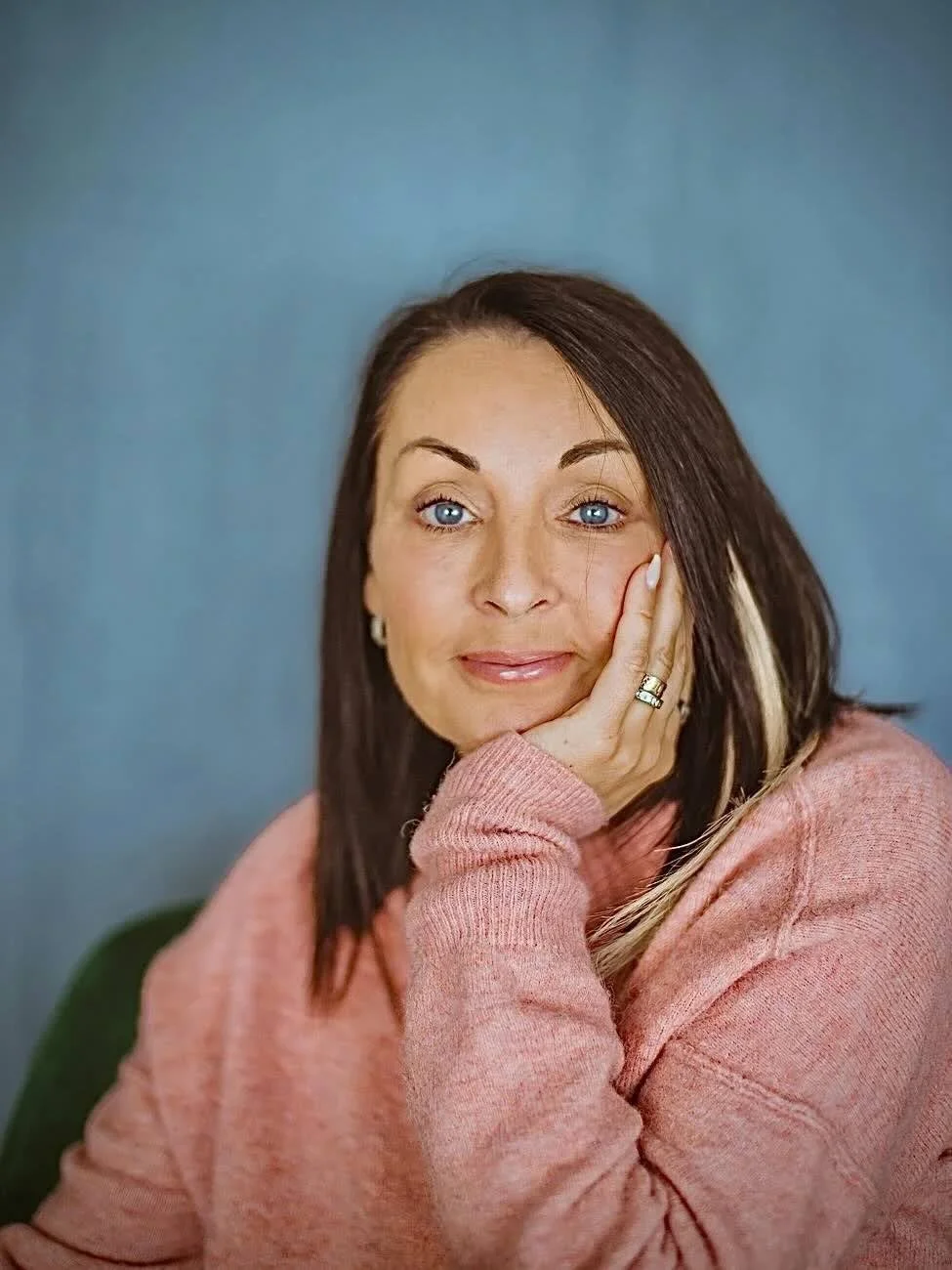
Andrea Bevan
About the Author
Andrea Bevan-Ducker is a trauma-informed coach, author of Sacrificial Girl, and founder of What Life Throws At You.
Drawing from both professional training and lived experience, I support individuals in healing from trauma, rebuilding self-worth, and moving from survival to a life of strength and growth.
My work focuses on self-awareness, acceptance, emotional healing, and helping others reconnect with themselves in a safe and supportive way.
My Story
I’m sharing this based on what I’ve been through myself.
I’m not a clinician. I’m a mother who faced anorexia and bulimia alongside my child.
I go into much more detail in the support page for this topic, Read Here, and also my memoir, Sacrificial Girl.Get your copy here, but here I want to focus on the importance of spotting and acting on the signs of a child with an eating disorder.
This isn’t just information; it’s also about what it felt like to live through it.
A Parent’s Perspective and Personal Fight
From what I’ve seen, eating disorders rarely start with anything obvious or easy to spot.
They start quietly, with small changes and subtle shifts.
At first, it’s easy to explain these things away.
That’s why noticing the early signs is so important.
Early Signs of Eating Disorders in Teenagers
The early signs aren’t always what you’d expect. They’re usually not extreme or dramatic; they tend to show up gradually.
Here are some of the first things I noticed in my daughter.
Changes in Eating Behaviour
Skipping meals or eating very small portions
Picking at food or avoiding certain foods
Saying they are not hungry or pretending to feel unwell
Changes in Behaviour and Routine
Spending more time alone or isolating themselves
Withdrawing from friends and social activities
Becoming more secretive
Seeming sad or down most of the time
Changes in Physical Habits
Increased or excessive exercise
Noticeable weight loss or fluctuations
Complaints of feeling cold, tired, or unwell
Sleeping more than usual
Emotional and Psychological Changes
Low mood, irritability, or anxiety
Increased self-criticism or body dissatisfaction
A feeling that something isn’t right, even if you can’t put it into words
The Feeling You Can’t Ignore
For me, one of the biggest signs wasn’t just what I could see.
It was also what I could feel.
The mood in our home changed.
There was a heaviness in the air, almost like a dark cloud was hanging over us.
Something just felt off, even before I really understood what was going on.
If you’re reading this and something feels wrong, trust your gut.
You don’t need to have all the answers before you take the first step.
Why Early Recognition Matters
Eating disorders can develop quietly, but they can take hold fast, especially the mental aspect.
The sooner you spot the signs, the sooner you can get help and start the recovery process.
This is not something that will simply pass.
This is not a phase.
It is a mental health condition that affects both the body and the mind.
My daughter was strong and confident. You never would have guessed that something could take hold of her so quickly and so deeply that she would try to end her own life more than once.
When the Darkness Arrived
The only way I can describe it is as a darkness that settled over our lives.
It came without warning and stayed much longer than we ever expected.
It felt like something unwanted had moved into our home, slowly changing everything and taking hold of my child.
Along the way, I met parents who lost their children to this illness.
That kind of loss changes you.
Eating disorders have one of the highest mortality rates of any mental health condition.
That’s why awareness is so important. That’s why it matters to speak openly.
The Reality of Eating Disorders
Anorexia and bulimia aren’t just “eating problems.”
They’re serious mental health conditions that affect:
Brain function
Mood regulation
Hormones
Organ health
Identity and self-worth
When the body isn’t properly nourished, the brain can’t work the way it should.
Thinking gets more rigid, anxiety goes up, and emotional stability goes down.
That’s why treating just the physical symptoms isn’t enough.
Restoring weight is important, but the psychological side needs attention too.
The Silence Around Eating Disorders
One of the hardest parts of this journey is the silence.
Shame and guilt often surround eating disorders.
Children feel ashamed of what they are experiencing.
Parents feel guilt and question themselves.
Families stop talking openly with each other.
And in that silence, the illness can grow stronger.
Eating disorders often hide behind secrecy.
What you see is rarely the whole story.
Navigating Support and Services
One of the toughest parts for us was figuring out how to navigate the support systems.
By the time my daughter got treatment, she had just turned 16. Because of confidentiality rules, we were often left without information.
We didn’t know if she was attending appointments.
We didn’t know what was being said.
We were told to encourage her to eat and to call emergency services if things got critical.
That was all the guidance we got.
So I decided to be proactive.
I wrote directly to the GP
I kept track of her behaviours and changes and sent weekly updates to everyone involved in her care.
I made sure to keep communication open with the professionals.
I kept showing up, again and again.
You know your child better than anyone.
Do not be afraid to speak up.
When she moved from child services to adult services, they told me they wished they had listened to me more, instead of letting confidentiality get in the way.
Building a Support Network
Even when my daughter felt isolated, I made sure she wasn’t alone.
I involved:
Family
Friends
Teachers
Professionals
I shared what to look for, what to do, and how to respond.
Support isn’t just about professionals. It’s also about the environment around your child.
Creating a Safe Home Environment
You can’t control everything, but you can help create a sense of safety.
Remove harmful items
Keep communication open
Maintain routine where possible
Offer reassurance and presence
Sometimes, support just means being quietly consistent.
I would leave notes for her.
Send her positive messages.
Keep including her, no matter what.
Even when she pulled away, I kept reaching out.
The Emotional Toll on Parents
Going through this changes you as a parent.
You may feel:
Exhausted
Anxious
Hypervigilant
Guilty
Afraid
Helpless
You may ask yourself:
“Did I miss something?”
“Did I cause this?”
“Am I doing enough?”
But none of this is your fault.
Eating disorders are complex.
Blaming yourself doesn’t help.
Getting support does.
And parents need support, too.
Recovery Is Not Linear
Recovery isn’t a straight path.
There may be:
Setbacks
Emotional highs and lows
Resistance
Relapse
This doesn’t mean you’ve failed.
It just means the illness is still there.
Long-term recovery requires:
Ongoing support
Monitoring
Patience
Understanding
Even when things get better, ongoing care is still important.
A Gentle Reminder for You as a Parent
Supporting a child through an eating disorder can feel overwhelming and lonely.
You may carry guilt.
You might feel like you should have known sooner.
But you’re dealing with something incredibly complex.
You deserve support, too.
To help, I’ve put together a free Self-Compassion& Letting Go of GuiltGuide to support you through this process.
Final Words: From One Parent to Another
There were times when I felt completely helpless.
Times when I thought we might lose her.
Times when our home felt heavy and suffocating.
But we got through it.
And recovery is possible.
It takes:
Courage
Strength
Persistence
Resilience
You might feel alone, but you are not.
Stand by your child.
Advocate.
Educate yourself.
Don’t give up.
You Are Not Alone
If any of this resonates with you, I want you to know:
You don’t have to go through this by yourself.
If you need support, want to share your story, or just need someone to listen, you’re always welcome to reach out.
Related Reading
Support page - Read the full story, all about Eating Disorders and where to get help & support
Rebuilding Trust
Healing After Trauma