


Supporting a Child with Anorexia or Bulimia
My Story of Supporting My Child with an Eating Disorder
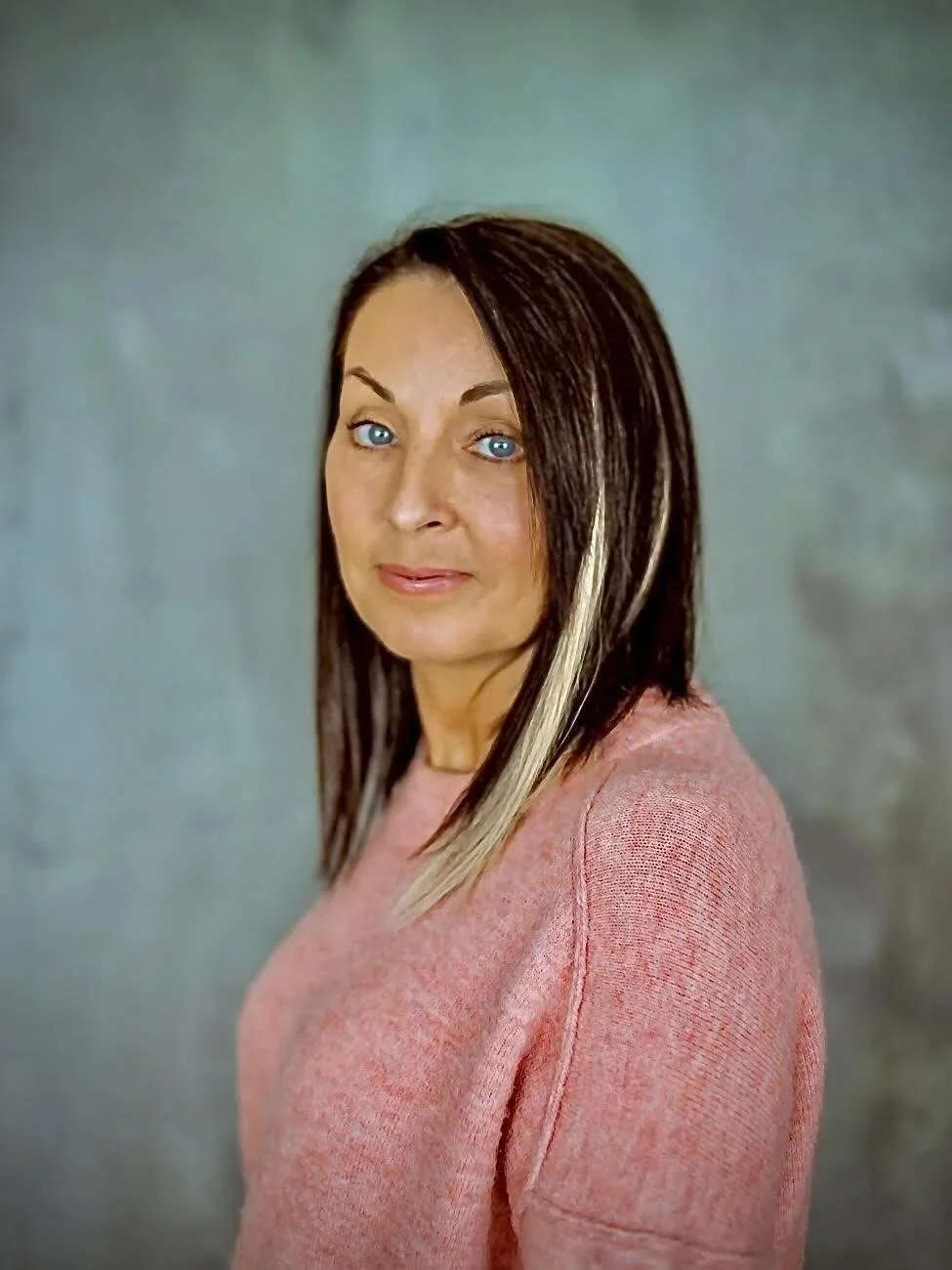
I write this from lived experience.
I am not a clinician. I am a mother who went through the challenges of anorexia and bulimia with my child.
I share more details in my memoir Sacrificial Girl, but here I want to focus on the emotional and practical reality of supporting a child with an eating disorder.
A Parent’s Perspective and Personal Fight
Recognising Early Warning Signs of Anorexia & Bulimia
In my experience, the early signs are often subtle and easy to overlook. They rarely show up as clear behaviours at first. Usually, it begins with small changes that slowly become more obvious.
Here are some early signs I noticed with my daughter:
Changes in Eating Behaviour
Skipping meals or eating very small portions
Picking at food or avoiding certain foods
Saying they are not hungry or pretending to feel unwell
Changes in Behaviour and Routine
Spending more time alone or isolating themselves
Withdrawing from friends and social activities
Becoming more secretive.
Changes in Physical Habits
Increased or excessive exercise
Noticeable weight loss or fluctuations
Complaints of feeling cold, tired, or unwell
Sleeping more than usual
Emotional and Psychological Changes
Low mood, irritability, or anxiety
Increased self-criticism or body dissatisfaction
A sense that something isn’t right, even if you can’t explain it
A Feeling You Can’t Ignore
For me, one of the strongest signs was not just the behaviours but the feeling I had.
The mood in our home changed.
There was a heaviness in the air, almost like a dark cloud hanging over our home.
Something felt off, even before I could fully understand what was going on.
Why Early Recognition Matters
Eating disorders can develop very quietly and can very quickly get a hold of your mental state.
Noticing the early signs can really help you get support and start recovery sooner.
If something doesn’t feel right, trust your gut. You don’t need to know everything to take the first step in helping your child.
When the Darkness Arrived
I can only describe it as a darkness that hung over our lives for years. It arrived suddenly and without warning. It felt like an unwanted friend or a toxic relationship you never wanted for your child, except the relationship was with an illness. You could sense it everywhere, like a heavy shadow.
Along the way, I met many parents who lost their children to this disease. That experience changes you. Eating disorders are some of the most serious mental health conditions and have one of the highest mortality rates among psychiatric illnesses.
Shame and guilt often surround eating disorders, which can stop people from speaking openly. This silence makes it harder for others to understand and learn about the condition. Even experts sometimes struggle to understand these disorders because people often hide what they are going through.
Parents often blame themselves. Children feel ashamed. Families stop talking openly. And silence allows the illness to grow stronger.
Living with anorexia and bulimia requires courage, strength, and resilience. As a parent, stay involved, keep trying, and support your child as much as possible. Don’t rely only on professionals. Your support really matters. If you’re going through this, remember you’re not alone. There is hope, and we can get through this together.
This advice comes from my own experience, and I know it may not fit everyone. Every parent, child, and situation is different.
A Gentle Reminder for You as a Parent
Supporting a child through an eating disorder can feel overwhelming, confusing, and at times, deeply isolating.
Many parents carry guilt, questioning what they did wrong or what they should have seen sooner.
But this is not your fault.
You are navigating something incredibly complex, and you deserve support, too.
To help with this, I’ve created a free Self-Compassion Guide&Letting Go of Guilt, simple, practical resources to help you step out of self-blame and begin treating yourself with the same understanding and care you give your child.
Who This Page Is For
This page is for:
Parents supporting a child with anorexia or bulimia
Families navigating eating disorder recovery
Parents dealing with CAMHS, GPs, or mental health services
Families feeling isolated, confused, or helpless
Anyone trying to understand the emotional and physical impact of anorexia or bulimia
If you are in immediate crisis, please see the professional support section at the bottom of this page.
Important Note
This page is written from lived experience and informed by trauma-aware coaching training. It is designed to offer reflection, practical insight, and supportive guidance.
It is not medical, legal, or therapeutic advice and should not replace support from a qualified healthcare professional, therapist, or specialist.
If you are in immediate crisis, experiencing overwhelming distress, or feel unsafe, please contact a qualified mental health professional or emergency service. You can find details in the Professional & Crisis Support section opposite.
This content offers lived insight and trauma-informed perspective, but it is not a substitute for personalised clinical care.
Continue Reading: Related Articles
If you’d like to explore specific aspects of healing in more depth, I’ve written blog posts that expand on emotional recovery, rebuilding trust, and reconnecting with your feelings.
You may find these particularly helpful:
Read rebuilding trust blog Read Emotional Healing Blog Read Healing Blogs
Practical Tools to Support Your Healing
If you’re ready to move beyond understanding and begin actively healing, I’ve created trauma-informed workbooks and guided journals to support self-reflection, emotional awareness, and rebuilding self-worth. Available in both digital and physical copies.
For more in-depth, structured learning, you can explore my growing range of trauma-informed courses. These module-based programmes are designed to help you build self-worth, self-compassion, resilience, and long-term emotional stability at your own pace.
Eating Disorder Support: Understanding, Impact & Guidance
-
Eating disorders are complicated because they affect both the body and the mind. People with these conditions may resist help, and sometimes even professionals do not have all the answers. Practical advice can be hard to find. That’s why it helps to learn as much as you can early on to better understand what you are facing.
Anorexia and bulimia are more than eating problems; they are serious mental health conditions. The damage to the body is only part of it. Not getting enough food can affect how the brain works and lead to major mental health struggles. These illnesses can take over someone’s life, leaving them tired both physically and mentally. Treating only the physical symptoms is not enough; the mental side needs care too. Sadly, the mental strain can be so severe that some people may think about ending their own lives.
Eating disorders can cause hidden damage that lasts even after someone appears to recover. When the body does not get enough nutrients, organs like the heart can become weaker. I read about someone who had recovered but sadly died of a heart attack years later. This shows why it is important to keep checking on people’s health, even after they seem better.
Both their physical and mental health need to be watched to help prevent future
problems.
Anorexia nervosa and bulimia nervosa are not simply “eating problems.”
They are serious mental health disorders that affect:
Brain function
Mood regulation
Hormones
Organ health
Identity and self-worth
When someone is malnourished, their brain does not function normally. Starvation alters thinking patterns. It increases anxiety, rigidity, obsessive thoughts, and emotional instability.
Treating only the physical symptoms is not enough.
Weight restoration is important, but without addressing the psychological aspect, the illness can persist beneath the surface.
Some important realities I learned:
Malnutrition affects the heart, brain and organs.
Even after weight restoration, long-term monitoring is important.
The illness often lies.
Secrecy is part of the disorder.
Shame keeps it hidden.
This is not a phase.
It is not attention-seeking.
It is not vanity.
It is a mental health crisis.
-
Eating disorders can make people feel very alone, even from family and friends who want to help. The illness can feel like their only friend, making it hard to trust others. Sometimes, your child may seem like a stranger, but it’s important not to let them drift away. Isolation only makes things worse. Staying involved and keeping routines as normal as possible can help them feel less alone and more supported.
I tried to stay calm and patient, avoiding arguments that might make her feel more alone. Instead, I left notes to show my love and support, reminding her that we were always there for her and wanted her to get better.
I did my best to keep our routine as normal as possible, included her in our plans, and encouraged her to join activities she used to enjoy.
-
One of the toughest parts of this journey was dealing with the GP and mental health services. Because she was only 16, they wouldn’t share any information with us due to patient confidentiality. We had no idea if she was going to her appointments or how she was really doing.
The only advice we received was to encourage her to eat and to call an ambulance if we thought she was in immediate danger. No one ever asked us, as her parents, how she was really doing. So, I decided to take action to make sure the professionals had the full picture, not just what she told them.
Don’t leave everything to the professionals. Here are the steps I took to stay involved in her care.
Proactive GP Engagement:
I wrote a letter to the GP right away, explaining what was happening and asking for it to be kept on file. I handed it directly to the manager to make sure they got it. When I needed advice, I would call or make appointments and ask general questions instead of talking about my daughter specifically, so I could get around the confidentiality rules.
Monitoring:
Every week, I sent a detailed email to her caregivers about what was happening at home. I shared whether she was eating, any changes in her behaviour, and any new symptoms I noticed. I also reported if I found any tablets, signs of self-induced vomiting, or letters and drawings in her room. This way, her caregivers had a better understanding of her situation than just what she told them in sessions.
Persistence:
I often went to CAMHS in person and waited in the reception area until someone involved in her care could see me. When I met with them, I shared what was worrying me or what was going on with my daughter. I also joined several groups run by CAMHS, including a steering group that wasn’t just for eating disorders.
Being involved helped me connect with more people at CAMHS and gave me new ways to share my concerns.
-
Even though her condition was kept private and she felt isolated, I made sure the people she saw often or trusted from the past knew what was going on. This helped them watch out for her and notice any worrying changes.
Involve key people:
I told friends, family, and teachers about her condition and shared information about symptoms and risks. I explained what signs to watch for and when to get emergency help, and I kept everyone updated. Engage with professionals: Stay in regular contact with healthcare providers. Join support groups, talk to other families, read helpful books, and keep helpline numbers handy. You know your child best, and your understanding of their needs is important for their care. Sometimes professionals may say to leave everything to them, but in my experience, this caused problems and made things harder for us. It takes courage, but always speak up for your child.
-
You can’t watch your child all the time or always know how they feel, so it’s important to make their environment as safe as possible.
Safety First:
Take out anything in your home that could be harmful, like medications and harmful substances. Keep emergency numbers visible.
Promote hope and recovery:
Share stories of people who have recovered and leave positive books or articles in your child’s room. Remind them that recovery is possible and support is always available. I used to leave notes, small gifts she liked, and sometimes sent random texts or emails.
-
Supporting a child with anorexia or bulimia is exhausting.
You may experience:
Sleep deprivation
Anxiety
Hypervigilance
Relationship strain
Guilt
Fear of making the wrong decision
You may question:
“Did I cause this?”
“Did I miss the signs?”
“Am I strong enough?”
Eating disorders are complex. They are influenced by genetics, personality traits, psychological factors, and environmental stressors.
Blame does not heal.
Support does.
Parents need support too.
-
Recovery is rarely linear.
There may be:
Setbacks
Weight fluctuations
Emotional regressions
Resistance to treatment
Relapse does not mean failure.
It means the illness is still active.
Long-term recovery requires:
Ongoing mental health support
Regular medical monitoring
Family awareness
Open communication
Patience
Even after physical recovery, mental recovery continues.
-
Is anorexia or bulimia just about food?
No. Eating disorders are serious mental health conditions involving distorted thinking, emotional distress, and physical risk.
Should I force my child to eat?
Medical guidance is essential. In severe cases, hospitalisation may be necessary. Consult healthcare professionals immediately if you are concerned.
Why does my child seem angry at me?
The illness may perceive you as a threat. Eating disorders often resist intervention.
Is recovery possible?
Yes. With proper medical, psychological, and family support, recovery is possible.
What if my child refuses help?
Seek professional advice urgently. Early intervention improves outcomes.
Are eating disorders life-threatening?
Yes. They carry serious physical risks, including heart complications and suicide risk.
-
If your child is in immediate danger, call 999.
For urgent mental health advice, call NHS 111 and select the mental health option.
Beat Eating Disorders (UK)
Youthline: 0808 801 0711
Helpline: 0808 801 0677
https://www.beateatingdisorders.org.uk
Childline (Under 18s)
0800 1111
Samaritans
116 123 (24/7)
CAMHS – Crisis Support
Final Words: From One Parent to Another
You’ll need courage, strength, and resilience. Don’t give up. Stay informed and keep standing up for your child. You’re not alone. My child and I faced this challenge and made it through, and you can too. Also, remember that the person going through this often feels deep shame and guilt about what they’re experiencing and what they think they’ve allowed to happen.
There were times I felt completely helpless. Sometimes, I thought we might lose her. There were days when the house felt suffocating.
But we made it through, and recovery is possible.
It takes courage, persistence, strength, and resilience.
You may feel alone.
You are not.
Stand beside your child.
Advocate.
Educate yourself.
Do not give up.
“If this page spoke to you, I’d love to hear from you. You don’t have to do this alone.”
Whether you have a question, want to share your own experience, or simply need to feel heard, you’re welcome to get in touch. Contact Me