
Change Your Words, Change Your Mindset: A Simple Guide to Transforming Your Way of Thinking
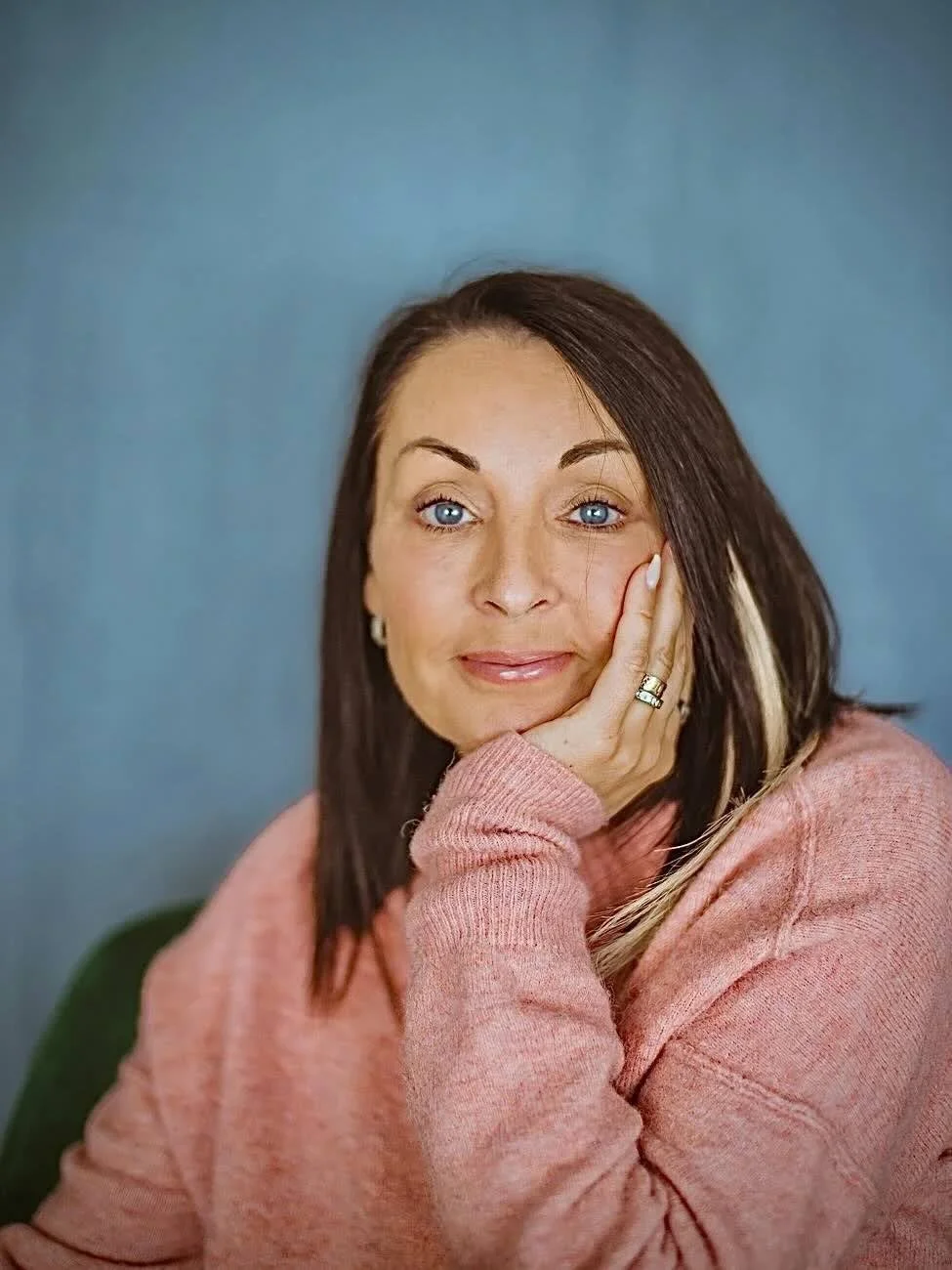
Andrea Bevan
About the Author
Andrea Bevan-Ducker is a trauma-informed coach, author of Sacrificial Girl, and founder of What Life Throws At You.
Drawing from both professional training and lived experience, I support individuals in healing from trauma, rebuilding self-worth, and moving from survival to a life of strength and growth.
My work focuses on self-awareness, acceptance, emotional healing, and helping others reconnect with themselves in a safe and supportive way.
The Power of Words
The words we use, whether in our thoughts or conversations, shape how we view the world, our experiences, and ourselves.
We often use language that adds stress, pressure, or limits us without even noticing. Making small, thoughtful changes to our words can help us move from reacting to situations to feeling more in control.
For example, changing the word “need” to “want” can turn something that feels like an obligation into a choice:
“I need to exercise.”
“I want to exercise because it makes me feel good.”
This small change can make a big difference in how we feel about our tasks, responsibilities, and personal growth.
“I need a drink.”
“I want a drink.”
This small change turns the statement from feeling dependent to making a conscious choice.
Key Word Shifts for a More Empowered Mindset
1. Change “Need” to “Want.”
When you say, “I need to,” it can feel like a demand and cause stress or resistance. Saying “I want to” reminds you that you’re making a choice, not just following an obligation.
Example Shifts:
“I need to work on my goals.” → “I want to work on my goals because they matter to me.”
“I need to go to that event.” → “I want to go to that event because it could be beneficial.”
2. Change “I have to” to “I get to”
Saying “I have to” can make things feel like a burden.
Switching to “I get to” helps you see things with more gratitude and a sense of opportunity.
Example Shifts:
“I have to go to work.” → “I get to go to work and earn a living so I can do the things I enjoy”
“I have to cook dinner.” → “I get to prepare a meal for myself and look after my body.”
3. Change “I should” to “I could” or “I choose to”
The word “should” often brings feelings of guilt and pressure.
Using “could” or “choose to” instead turns it from an obligation into a possibility or a conscious choice.
Example Shifts:
“I should exercise more.” → “I could exercise more, and I choose to because I feel better when I do.”
“I should say yes to that request.” → “I could say yes, but I choose to set a boundary.”
4. Change “I’m bad at” to “I’m learning”
The way we talk about ourselves shapes our identity. Rather than saying you’re bad at something, try seeing it as a skill you’re still learning.
Example Shifts:
“I’m bad at socialising.” → “I’m learning to be more comfortable in social situations.”
“I’m terrible with money.” → “I’m learning to manage my finances better.”
5. Change “I can’t” to “I can” or “I’m working on it”
Saying “I can’t” shuts the door on new possibilities.
Instead, try saying “I can” or “I’m working on it” to keep your mind open to growth and improvement.
Example Shifts:
“I can’t speak in public.” → “I’m working on becoming a more confident speaker.”
“I can’t do this.” → “I can figure this out step by step.”
6. Change “This is hard” to “This is challenging, but I can handle it”
It’s okay to admit something is hard, but adding “I can handle it” helps build your confidence and resilience.
Example Shifts:
“This is too hard.” → “This is challenging, but I can take it one step at a time.”
“I don’t know how to do this.” → “I don’t know yet, but I can learn.”
Final Thoughts
Even small changes in the words you use can make a big difference in your mindset, confidence, and well-being.
The words you choose shape how you see yourself, your challenges, and your opportunities.
Start today by picking one phrase to change in your daily thoughts and notice how it shifts your perspective.
Remember, you’re not stuck. You have control over your mindset, and by changing your words, you can change your reality.
If you’re ready to explore more
If any of this resonates, you don’t need to rush or commit to anything overwhelming.
Healing is not about doing everything at once. It’s about taking steady, manageable steps.
Get your free guide to self-acceptance here
If you’d like deeper context, you may find my Support pages helpful, where I explore trauma patterns, survival responses, and long-term healing in more detail. Amongst a few are: Childhood Abuse Support Stillbirth & Child Loss Narcissistic, Emotional & Mental Abuse
If you prefer something more reflective and structured, you can explore my Foundations for Inner Healing Workbook & Guided Journal, which covers Self-Compassion, Awareness, Acceptance, and Change. Written from lived experience and shaped by trauma-informed principles. Available in Digital or Physical Copies - See Workbooks and Journals
For those who feel ready for deeper, module-based learning, my structured courses focus on rebuilding self-worth, emotional awareness, and resilience over time.
You can choose what feels right for you. There is no pressure, only progression at your own pace.