

How to Set Boundaries After Abuse (Without Feeling Guilty)
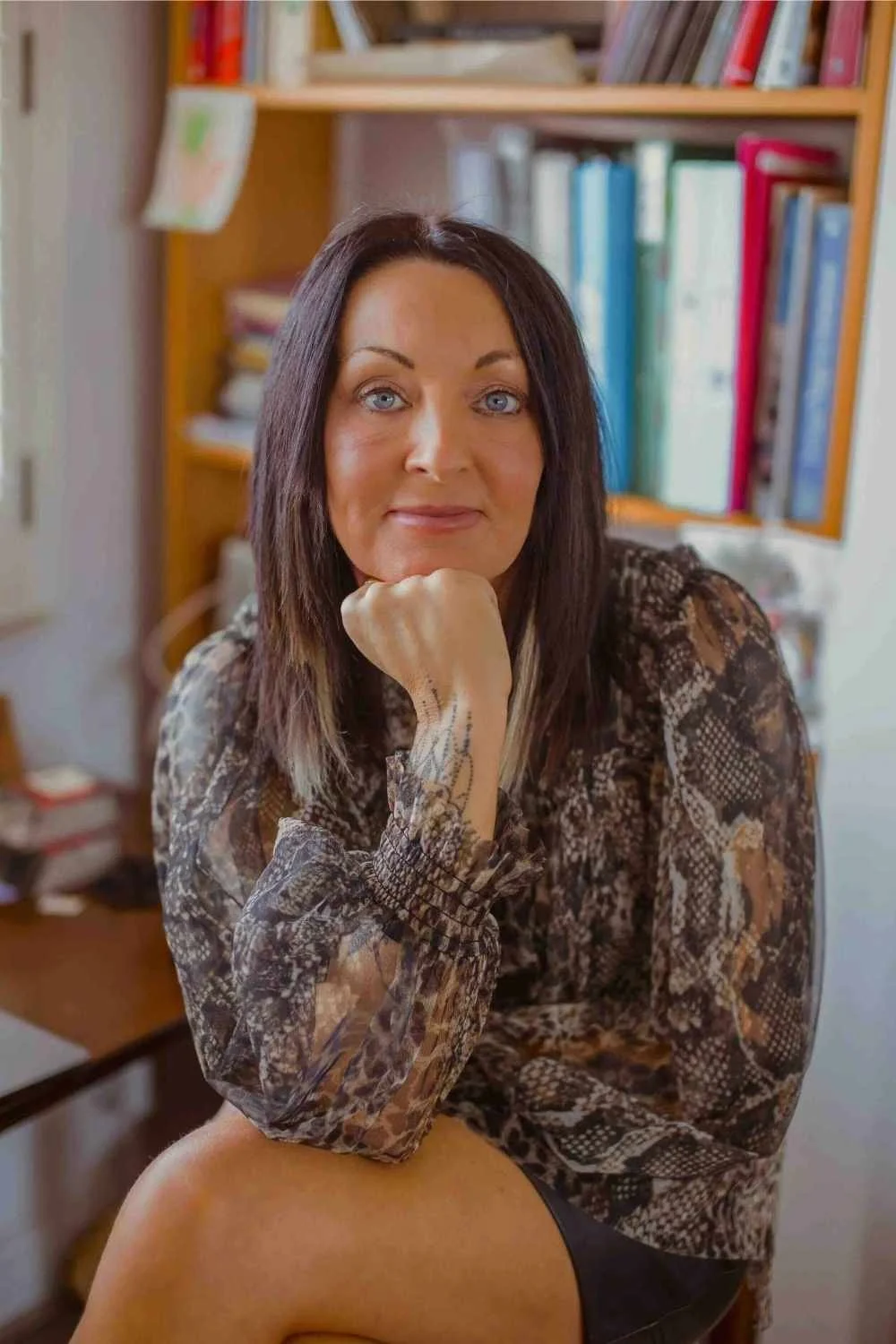
Andrea Bevan
About the Author
Andrea Bevan-Ducker is a trauma-informed coach, author of Sacrificial Girl, and founder of What Life Throws At You.
Drawing from both professional training and lived experience, I support individuals in healing from trauma, rebuilding self-worth, and moving from survival to a life of strength and growth.
My work focuses on self-awareness, acceptance, emotional healing, and helping others reconnect with themselves in a safe and supportive way.
My Story
Growing up, I lived with my mum and stepdad. My stepdad struggled with alcoholism, and his moods could shift in an instant. He often lost his temper, argued, and put people down, which made me feel small.
Our home felt unpredictable.
We never knew what mood he would be in.
We learned very quickly to stay quiet, stay out of the way, and not say anything that might trigger him.
We didn’t get to speak up.
We were always wrong.
Never good enough.
Everything in our lives centred on him, his drinking, his needs, and his moods. He controlled what we ate, how we spent our weekends, and even how money was used.
I remember coming home from school, never sure what I would find.
Even Christmas could be ruined by arguments.
Over time, you stop expressing yourself.
You start to shrink and feel invisible.
I go into much more detail around this subject in my support page. Read here more about narcissistic, mental and emotional abuse, the effects and where to get help & support
Growing Up in Chaos and Silence
Abuse isn’t always physical.
Sometimes it’s psychological.
Sometimes it shows up as control, unpredictability, or emotional ups and downs.
When you grow up in that environment, your body adapts.
You learn to:
Stay out of sight
Suppress your thoughts and feelings
Avoid conflict at all costs
Anticipate danger
Prioritise someone else’s emotions over your own
That way of living starts to feel normal.
How Abuse Affects You Later in Life
The patterns you learn in childhood don’t just disappear.
Those patterns stay with you as you grow up.
You may notice:
People-pleasing
Difficulty saying no
Fear of conflict
Over-explaining yourself
Feeling responsible for others’ emotions
Anxiety or hyper-vigilance
Emotional numbness
I still see this in myself.
I stay busy. I stay organised. I prepare for everything.
I often feel like I’m always waiting for something bad to happen.
That didn’t come from nowhere.
It came from childhood.
Losing Your Sense of Self: Becoming Invisible
Growing up with both emotional and sexual abuse made this even more complex.
I learned to disappear.
To not be seen.
To not be heard.
To not feel.
I didn’t really live my life; I just watched it happen.
When people asked how I felt, everything was just “fine” or “nice.”
I was numb.
When you feel that disconnected, it’s hard to have any boundaries.
You might not even know what you feel, much less what you need.
Why Boundaries Feel So Difficult After Abuse
This is where many people struggle.
Setting boundaries is more than just a skill.
It can actually feel threatening.
Because your nervous system has learned:
Speaking up = danger
Saying no = rejection
Having needs = selfish
Conflict = unsafe
So even as an adult, saying something as simple as:
“That doesn’t work for me” can feel like too much.
You may feel:
guilt
anxiety
fear
shame
This isn’t a sign of weakness.
It’s just how you were conditioned.
What Boundaries Actually Are
Boundaries are not punishment.
They are not rejection.
They are not selfish.
Boundaries are there to protect you.
They are how you say:
“This is what I’m comfortable with”
“This is what I’m not available for”
“This is where I end, and someone else begins”
They help you start to feel safe again.
How to Start Setting Boundaries After Abuse
You don’t need to change everything overnight.
Start small.
1. Pause Before You Automatically Say Yes
If you’re used to people-pleasing, your default may be:
“Yes”
“Of course”
“No problem”
Instead, try:
“Let me think about it”
This gives you some space.
2. Notice What Feels Uncomfortable
Your body often knows before your mind does.
Ask yourself:
Do I actually want to do this?
Am I saying yes out of fear?
Am I trying to avoid conflict?
3. Use Simple, Clear Language
You don’t have to give long explanations for your boundaries.
You can say:
“That doesn’t work for me”
“I’m not available for that”
“I need some space”
“No”
That’s all you need to say.
4. Expect Discomfort
This is important.
At first, it might feel wrong.
Not because it actually is,
but just because it’s new.
Your nervous system is adjusting.
5. Stop Over-Explaining
You don’t need to justify your needs.
You don’t need to convince people.
The more you explain, the easier it is for someone to talk you out of your boundary.
6. Start With Safer Situations
You don’t have to begin with the hardest relationships.
Practice in:
low-pressure situations
with people you feel safer with
Build confidence gradually.
Rebuilding Self-Trust After Abuse
One of the biggest impacts of abuse is losing trust in yourself.
You start to question everything:
“Am I overreacting?”
“Is this my fault?”
“Am I too sensitive?”
Rebuilding self-trust means:
listening to your feelings
validating your experiences
honouring your needs
keeping small promises to yourself
Boundaries are part of that process.
Every time you set one, you reinforce:
“I can trust myself”
A Gentle Reminder
If you struggle with boundaries, there is nothing wrong with you.
You adapted to survive.
Now you are learning something new.
That takes time.
Final Words
Growing up in emotional chaos changes you.
But it does not define your future.
I have lived through abuse, trauma, loss, and challenges I never expected.
And still, I built a life with strength, purpose, and meaning.
Healing is possible.
You are not too sensitive.
You are not broken.
You are not what happened to you.
You are what you choose to become.
You Are Not Alone
If this resonated with you, you don’t have to go through it alone. I would love to hear your story, thoughts or questions.
Get your free guide to rebuilding trust after abuse
Support & Next Steps
If you are ready to go deeper, you can explore:
Designed to help you rebuild self-worth, confidence, and emotional safety.